A. Neil Pappalardo ’64 remembered for his lasting impact on the MIT Department of Physics
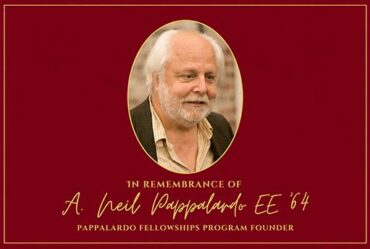
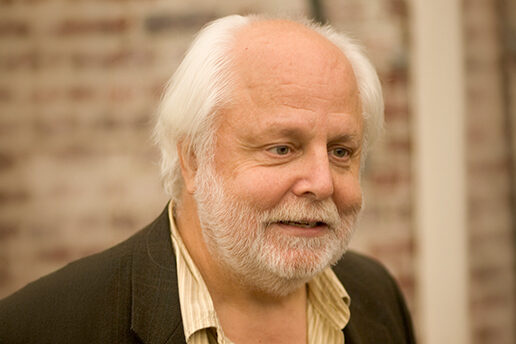
A. Neil Pappalardo ‘64, co-founder of MEDITECH (Medical Information Technology, Inc.) and a leading supporter of the MIT Department of Physics for decades, died on January 27, 2026, at age 83. He leaves behind his wife of 61 years, Jane; their four children; and 13 grandchildren.
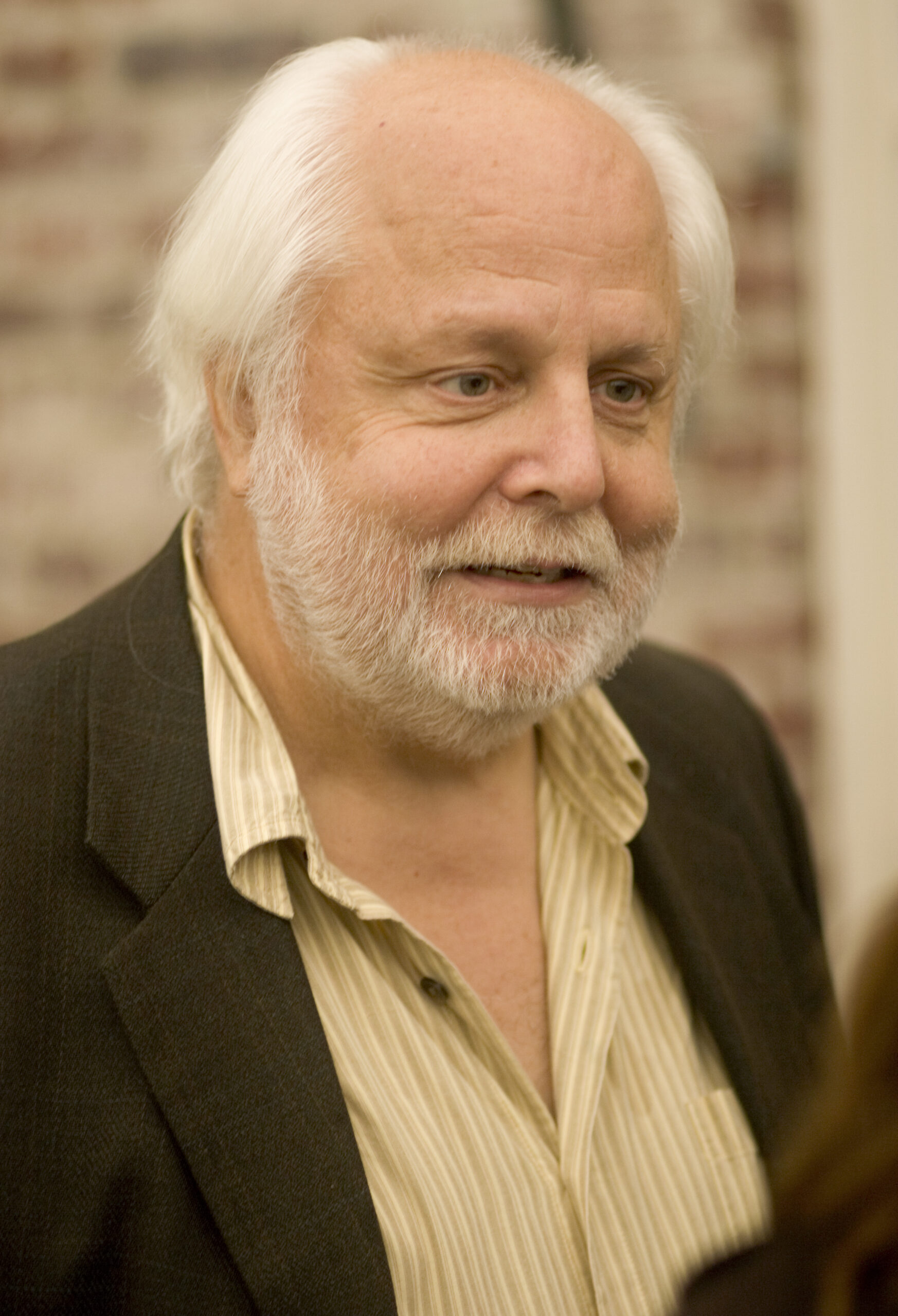
Pappalardo’s generosity is visible throughout the community, research, and buildings of MIT Physics. For 25 years, the prestigious and innovative MIT Pappalardo Fellowships in Physics program has supported selected postdoctoral physics researchers early in their careers. His generous support enabled MIT’s membership in the Magellan Telescopes consortium; supported major renovation of Physics space that became the Green Center for Physics in Buildings 6, 6C, and 4; provided substantial resources to many junior faculty; and endowed an annual distinguished lecture series in physics. One can quickly see why 2004 Nobel Laureate Frank Wilczek called him “the soul of the Physics Department.”
“Neil’s love of physics, our work, and our researchers was broad and inclusive,” says Deepto Chakrabarty ’88, MIT Physics Department Head and William A. M. Burden Professor in Astrophysics. “His decades of generosity and attendance at Physics Department events was borne of his passion and commitment. Neil has left an indelible mark on the Department, and we are much, much stronger because of his help.”
Pappalardo’s service extended throughout the Institute. He was a life member emeritus of the MIT Corporation; a long-term member of MIT Executive, Audit and Salary Committees; a member of the School of Engineering and School of Science Dean’s Advisory Councils. He served on Visiting Committees for Physics, Mechanical Engineering (chairing from 1997–2010), the Libraries, and Earth, Atmospheric and Planetary Sciences (EAPS).
In a 2016 Infinite History Project interview, Pappalardo shared anecdotes from his youth, growing up in a small town outside of Rochester, NY. He was always interested in science, and when he got to MIT, he was very excited to run into cosmic ray expert Bruno Rossi, whom he had previously seen on a television program. Pappalardo majored in physics for the first three and a half years of his time at MIT, but he ultimately graduated with a degree in electrical engineering. He said that while he was drawn to study physics, he quickly learned that “if you’re going to be an experimentalist, as opposed to a theorist, you have to learn how to build things.” He said he and many physics majors at the time also took subjects in electrical engineering, although there wasn’t a formal option for a double major at the time. His thesis project helped physicians develop a medical device that would electronically examine the electrical signal from a patient’s heart for arrhythmia.
After graduating, he continued to be interested in working in a medical setting. He began his career at Massachusetts General Hospital, where he experienced first-hand the complexity of a hospital environment and observed how error-prone the various clinical processes could be. (Reflections on an MIT Education – 2008) In order to better manage this complexity, he co-created MGH Utility Multi-Programming System (MUMPS), a healthcare-specific programming language. Building on this work, he became the chairman and co-founder of MEDITECH in 1969, which pioneered health care information systems for hospitals and medical facilities and is widely recognized as the first Electronic Health Record (EHR) company.
Growing MIT’s astrophysics capabilities
Credit: MIT Department of Physics
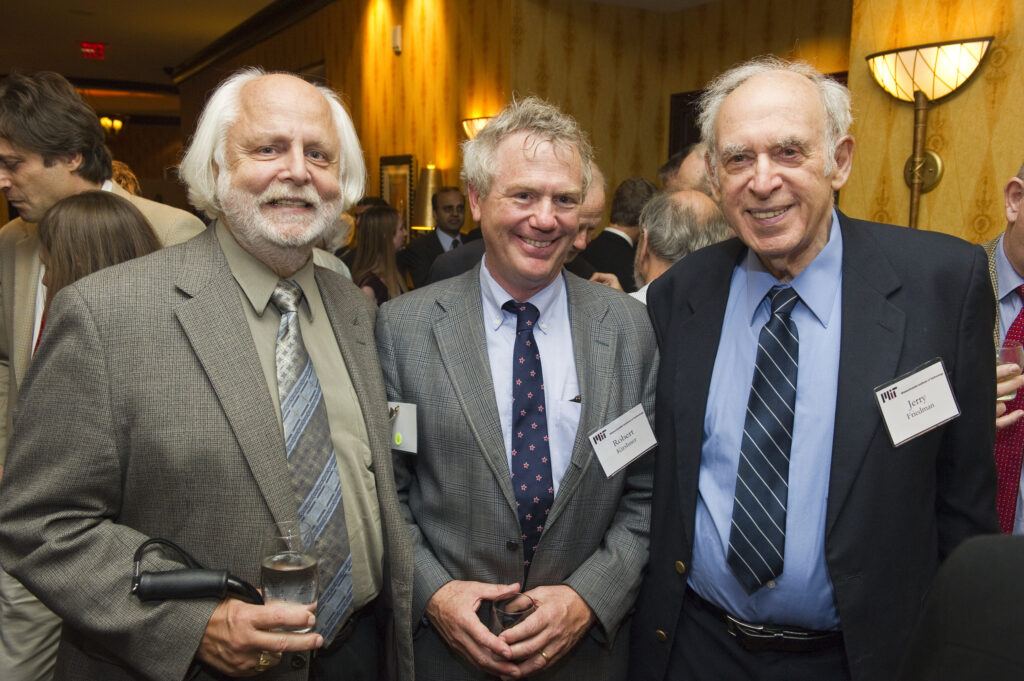
In the late 1990s, there was concern among physics faculty that MIT might not be able to attract the next generation of astrophysicists without access to the state-of-the-art, optical telescopes that were being built at the time. Professors Claude Canizares and Paul Schechter expressed these concerns, and the Pappalardos decided to help fund the construction of twin optical telescopes for the Magellan Consortium—comprising five institutions, including MIT—at the Las Campanas Observatory in Chile.
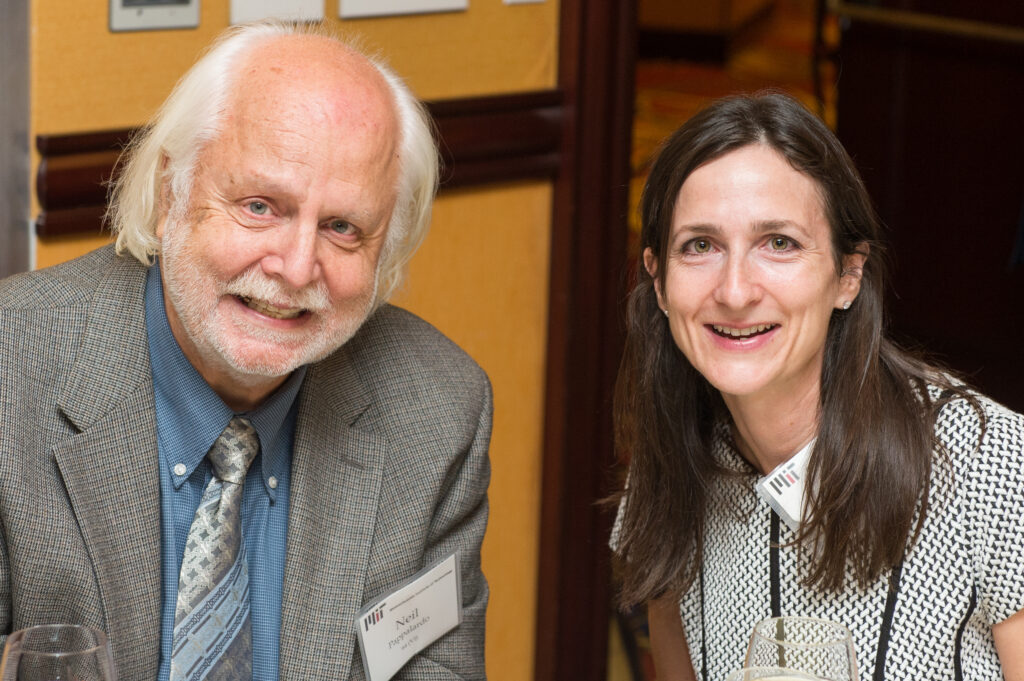
“This contribution toward the Magellan Consortium telescopes marked a turning point for MIT astrophysics,” says Francis L. Friedman Professor of Physics Robert Simcoe, director of the MIT Kavli Institute for Astrophysics and Space Research, and a former Pappalardo Fellow (2003-2006). “MIT was a primary partner in the building of these telescopes, which are among the best in the world, and having access to these instruments dramatically expanded our capabilities.”
Credit: MIT Department of Physics
Pappalardo’s contributions to astrophysics also extended to the Kavli Institute, often supporting important research when regular funding avenues couldn’t do so within the preferred timing. His critical support helped to recruit and retain junior faculty, and he became focused on the researchers and their work.
“Neil and Jane really invested in people and not just projects,” says Simcoe. “They genuinely wanted to know why we were interested in what we were interested in.”
Nurturing physics postdocs
Shortly after Marc Kastner, Donner Professor of Science Emeritus and Dean Emeritus, MIT School of Science, began as Physics department head in 1998, he met with Pappalardo, who wanted to help the department in some substantial way. At that time, he had already contributed toward the Magellan Consortium telescopes, and because of that gift, the Pappalardo Distinguished Lecture Series (focusing on astrophysics) had been established in his honor.
Kastner and Robert Birgeneau, Professor Physics Emeritus and Chancellor Emeritus, UC-Berkeley, who was the MIT Dean of Science then, had admired Harvard’s Junior Fellowship program, which attracted top young scientists from around the world. They wanted a similar program at MIT Physics, particularly for physics postdocs. Members of the Physics Council agreed that this would be very beneficial. Kastner says that Pappalardo was a little hesitant at first, as he wasn’t familiar with the idea of postdocs, but he agreed to fund the program and it launched in 2000. After the first five years, Pappalardo asked for a meeting of the committee that was choosing the fellows, to make sure the program should continue. All agreed that the program had been a success, and Pappalardo ultimately decided to endow the program.
Credit: MIT Department of Physics
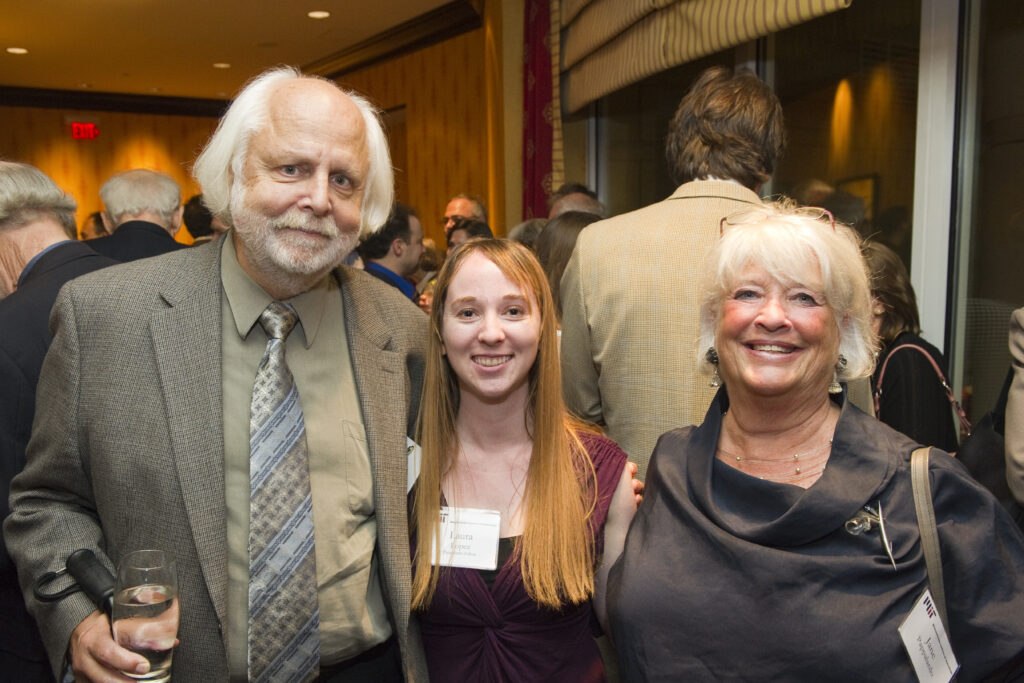
“Having the Pappalardo Fellowships Program incorporated into the Physics Department has been really wonderful,” says Kastner. “One thing which I never could have anticipated is that he and Jane really adopted the fellows. They invited them to their Boston home for the holidays in the winter, and to their home on Buzzards Bay in the summer. As we started to hire some of them as faculty members, he kept those relationships for many years.”
Credit: MIT Department of Physics
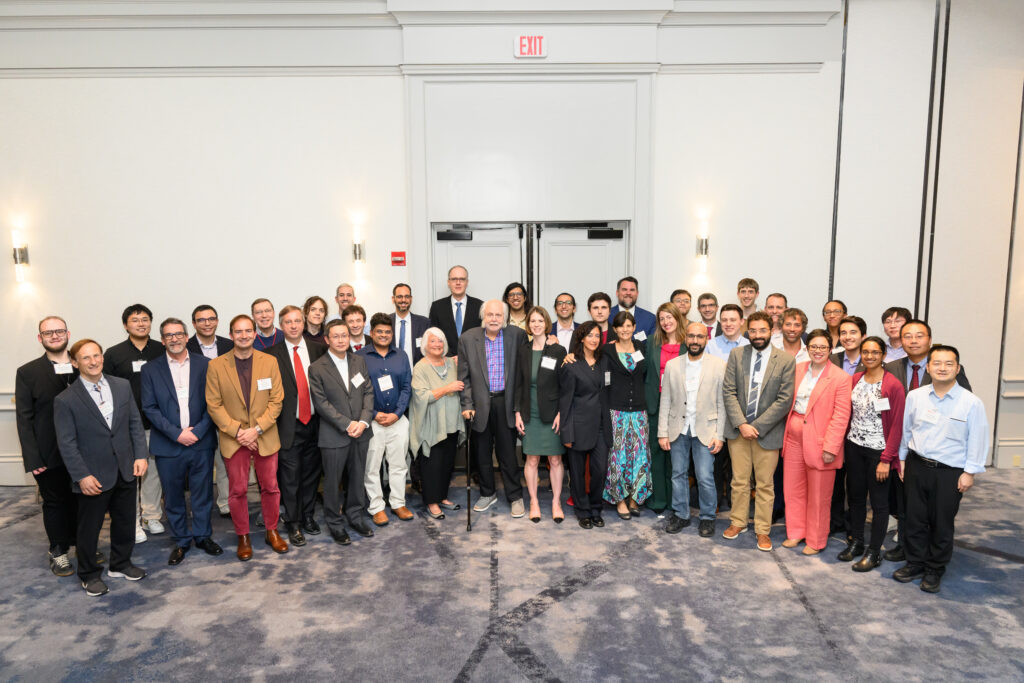
Having recently celebrated its 25th anniversary, the Pappalardo Fellowships in Physics continues to sustain a distinguished postdoctoral fellowship program that recruits and supports promising young physicists at the start of their careers. The Fellows are brought together with faculty for weekly luncheons, showcase their work at the annual Pappalardo Fellowships symposium, and enjoy complete freedom in research direction throughout the fellowship. Of the 78 former Fellows, 57 hold faculty positions in six different countries, including eight currently with MIT Physics.
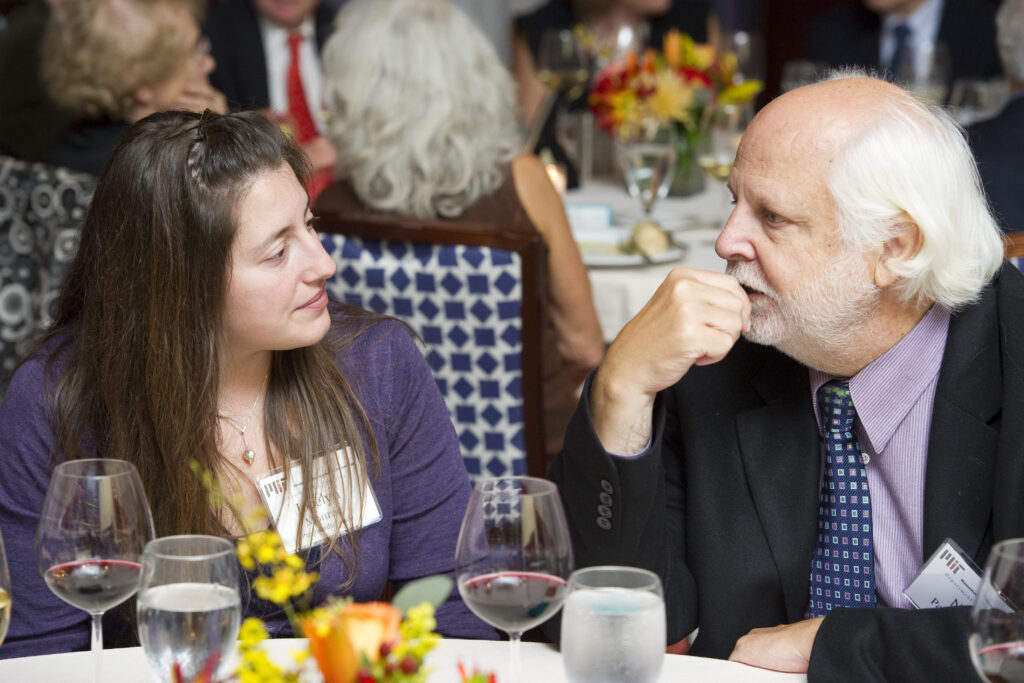
“One thing I especially loved about talking with Neil early on in my career is that he was always up for a disruptive idea,” says Jocelyn Monroe (2006-2009 Pappalardo Fellow), Professor of Physics at the University of Oxford. She says that the Fellowship gave her the freedom to shift her research focus from neutrino oscillation physics, which had studied in her doctoral research, to focus on dark matter.
“Neil had a very enthusiastic sense of possibility and embraced the thought of doing something that was new,” says Monroe. “At the time, I didn’t realize how unusual that was, but it was so impactful in what I went on to do.”
Securing much-needed space for Physics
Credit: MIT Department of Physics
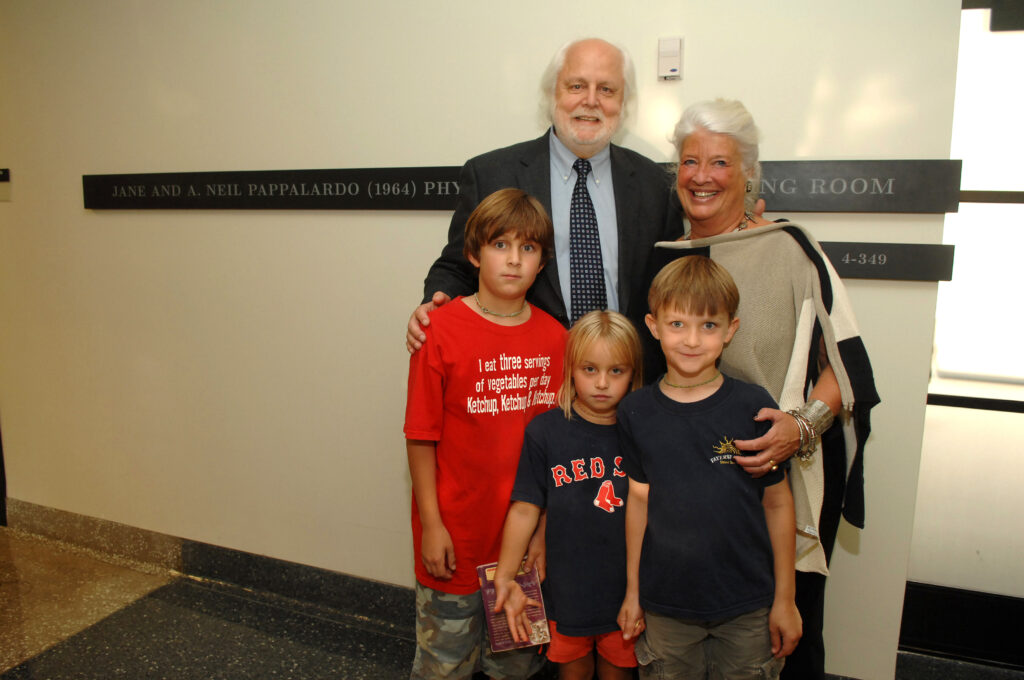
At the beginning of Kastner’s time as department head, he learned that Cecil Green had given a gift to the department to renovate space, but the department couldn’t agree on a plan. Around seven years later, there was a plan, but due to so much spending on MIT buildings at the time, the executive committee of the MIT Corporation, of which Pappalardo was a member, said the plan couldn’t move forward. Kastner spoke about this problem to the Physics Visiting Committee, of which Pappalardo was also a member. Pappalardo ultimately said he would give a $5 million gift, if matched, and together with the gift from Cecil Green, this was enough to proceed with the plans. The space was completed in 2008.
“We asked Neil if he wanted us to name something in the center for him, and he said ‘no,’ but we decided that the room that the department uses most would be called the Pappalardo Room,” says Kastner. “The department headquarters and the education headquarters, which used to be on different floors, were brought together. The whole department functions much better.”
Bringing people together for collaboration and support is a theme that echoes throughout Pappalardo’s many contributions to the Physics Department, as well as his genuine interest in and excitement for the early-career researchers the Pappalardo Fellowships supported.
“It became a tradition that Neil was the first to ask a question when a Fellow presented their research at the Pappalardo Fellowship Symposium, and he would follow up on that question the next time you saw him,” says Juliana García-Mejía, a current Pappalardo Fellow (2026-2028). “Neil was an incredibly caring, curious overseer. There’s something so deeply motivating about having somebody support your research, not solely through finances—although that is certainly important—but also through their care and attention. It’s a very unique experience that I think is quite rare in the sciences.”
Pappalardo received honorary degrees from Suffolk University and the Korean Advanced Institute of Science and Technology [KAIST]. The International Astronomical Union named an asteroid in his honor and in 2008 he received the Order of Science and Technology Medal from the Prime Minister of the Republic of Korea. In 2010, the Pappalardo Medical Center was dedicated in his honor at KAIST.
The Physics Department will feature a remembrance of A. Neil Pappalardo ’64 at the Spring 2026 Pappalardo Fellowships Symposium on May 14.