Image courtesy of MIT
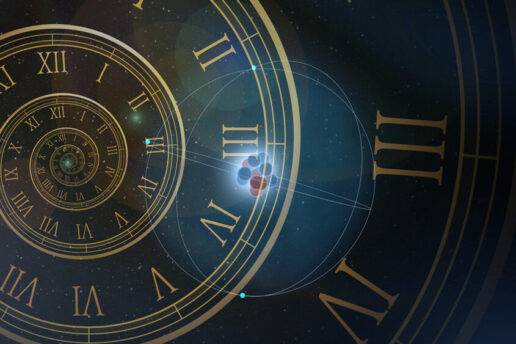
Nature's steadiest timekeeper: The precise vibrations of atoms provide the near-perfect precision required for today's atomic clocks, underpinning our global GPS and communications networks.
Image courtesy of MIT
Keeping Perfect Time
The vibration of an atom is nature’s steadiest timekeeper; today’s atomic clocks underpin GPS, communications, and electronics worldwide. “But we and other scientists are constantly refining and chasing even more perfect time,” Professor Vladan Vuletić says.
What if time could be measured with near-perfect precision? Atomic clocks do exactly that — using atoms as nature’s most reliable timekeepers. Here’s how they work, and why modern life depends on them.